

Automation Blog
Guides, tutorials, and best practices on enterprise workflow automation and iPaaS.
Featured
Expose Your APIs to Agents Without Losing Control
You don't have to choose between saying no to agent access and building a locked-down layer from scratch. Here's how a governed MCP server lets you expose what you already built, on your own terms.
July 2, 2026
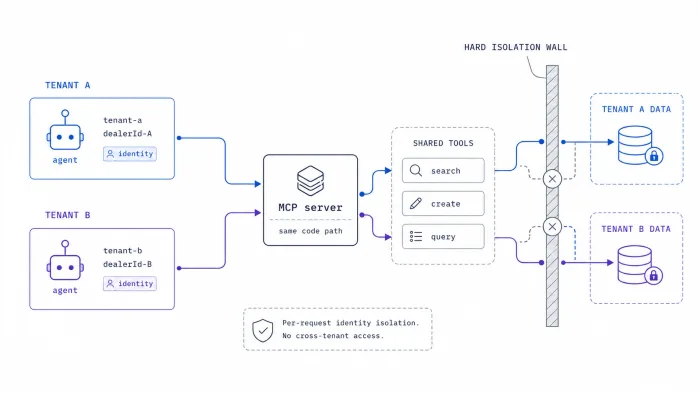
What Is Enterprise MCP? The Bar a Production Server Must Clear
Enterprise MCP isn't a different protocol — it's the same MCP held to production standards. The five bars a real server must clear: identity, multi-tenancy, governance, auditability, versioning.
June 18, 2026
Context Engineering vs Prompt Engineering: The Treadmill
Prompt, context, harness, loop, graph engineering. Five terms in two years for one discipline. What each names, and the layer none of them renamed.
October 12, 2026
Best iPaaS platforms in 2026: an enterprise comparison
A side-by-side comparison of 13 iPaaS platforms, including Koodisi, on pricing model, deployment options and best fit, with a proof-of-concept plan that tests failure handling.
October 9, 2026
PaaS vs iPaaS: what is the difference and which do you need?
PaaS is where you build and run your own applications; iPaaS is where you connect the ones you already have. Here is how they compare and when you need one, the other, or both.
October 8, 2026
Cloud integration platforms: cloud, hybrid, and on-premise compared
Cloud integration platform covers three different deployment models. Here is what cloud-only, hybrid, and on-premise really mean across today’s iPaaS platforms, and what to ask before you shortlist one.
October 7, 2026
Enterprise data integration: architecture, patterns, and best practices
Enterprise data integration combines data from ERP, CRM, HR, and other systems so it is consistent and usable. Here are the patterns, challenges, and practices that make it work at scale.
October 6, 2026
What is API governance? A practical framework and how to enforce it
Most API governance is a document nobody reads until an audit forces someone to open it. Here is the framework that actually gets enforced, the best practices behind it, and what to look for in API governance tools.
October 5, 2026
iPaaS pricing models compared: per task, credits, connections, and flat
Every iPaaS vendor leads with a price. Few explain the pricing model behind it, and the model, not the number, decides whether your bill stays flat or spikes under load.
October 2, 2026
AI business process automation: where AI fits and how to govern it
AI automates the process steps rules cannot handle, such as reading documents and routing requests. Here is how to design AI workflows that stay accurate and governed.
October 1, 2026
What is a webhook? How it works, with examples
A webhook is a push-based HTTP callback that sends event payloads from one service to another in real time. This guide explains how webhooks work, security, delivery metrics, and practical examples.
September 30, 2026
Which industries use MCP? Use cases from banking to logistics
MCP is spreading wherever AI assistants need to act on business systems. Here is how each industry uses it, what they expose, and the governance regulated teams need.
September 29, 2026
MCP authorization and authentication: how it works and how to secure it
Enterprise MCP authorization requires centralized identity, OAuth2-based short-lived tokens, and strong server authentication such as mTLS or signed JWTs. Use security profiles, automated rotation, and centralized auditing to reduce risk.
September 28, 2026
API gateway vs API management: what is the difference?
An api gateway is the runtime proxy that enforces routing, security and telemetry; API management adds developer portals, lifecycle and governance. This post explains when to use each and how an iPaaS with a built-in API Manager changes the equation.
September 25, 2026
Cloud-based workflow automation: how it works and how to choose
Cloud workflow automation runs business processes on a vendor-hosted platform, with no servers to manage. Here is how it works, where it needs a hybrid option, and how to choose a platform.
September 24, 2026
ETL vs iPaaS: which do you need?
If you need large-scale batch transforms for analytics, pick ETL/ELT. If you need real‑time app-to-app workflows and API orchestration, pick iPaaS. Many enterprises use both.
September 23, 2026
MCP connectors: how they work and how to choose them
An MCP connector links an AI client like Claude or ChatGPT to an MCP server that acts on your systems. Here is how connectors work, where they come from, and how to choose them safely.
September 22, 2026
AI agent governance framework: a practical guide for enterprises
A practical roadmap for platform owners running iPaaS: how to discover, own, control, and retire autonomous agents with policies-as-code, runtime guards, and audit-ready evidence.
September 21, 2026
No-code integration platforms: what they can and can’t do for enterprise IT
No-code integration platforms let more people connect systems without waiting on engineering. Here is what they handle well, where they hit limits, and what enterprise IT should require before opening them up.
September 18, 2026
REST vs SOAP: differences and how to integrate both
REST is lightweight and JSON-based; SOAP is a strict XML protocol with a WSDL contract. Here is how they compare and how to integrate REST apps with SOAP systems.
September 17, 2026
API lifecycle management explained
The API lifecycle is the end-to-end sequence an API follows — design, build, publish, secure, monitor, version, deprecate, retire — plus the governance and automation that make those steps repeatable for enterprises and iPaaS.
September 16, 2026
HR workflow automation: which workflows to automate and how
HR workflow automation connects the HR system to identity, IT, payroll, and finance tools. Here are the workflows worth automating first and how to keep them secure and auditable.
September 15, 2026
What is middleware? Types and examples
Middleware is the software layer that connects applications and systems to enable messaging, transformation, routing, security and governance. This guide explains types, patterns, examples and how to choose the right middleware.
September 14, 2026
iPaaS vs ESB: which integration approach should you choose?
Choose iPaaS when you need fast SaaS onboarding and citizen-led automations; choose ESB for guaranteed delivery, protocol mediation, and legacy systems. Most enterprises need both under a governed plan.
September 11, 2026
Workflow orchestration vs workflow automation: what is the difference?
Workflow automation runs individual tasks; workflow orchestration coordinates them into end-to-end processes across systems. Here is how they compare and when you need orchestration.
September 10, 2026
Hybrid integration: when you need an on-premise agent
A concise guide to when hybrid integration requires an on-premise agent, the practical triggers, architecture patterns, security controls, and a vendor scoring checklist for regulated production.
September 9, 2026
iPaaS vs RPA: which automation approach fits your process?
iPaaS integrates systems through APIs and data; RPA automates through the screen. Here is how they compare, when to use each, and how to combine them without brittle bots.
September 8, 2026
Build vs buy: in-house integrations or an iPaaS?
A practical framework for choosing between in‑house integrations and an iPaaS: when to buy for speed and governance, and when to build for strategic differentiation.
September 7, 2026
Business process automation: a practical guide
A concise, practical guide to automating repeatable workflows using iPaaS, RPA, and BPM. Learn how to prioritize processes, run pilots, measure ROI, and avoid common pitfalls.
September 4, 2026
Enterprise iPaaS for regulated industries: what to require
In banking, healthcare, insurance, and the public sector, the integration platform is part of your compliance scope. Here is what to require, how needs differ by industry, and what to ask vendors.
September 3, 2026
Procure-to-pay automation: a practical guide for finance and IT
Procure to pay automation uses software to convert the full purchasing lifecycle into integrated, low-touch flows that enforce contracts, lower costs and improve cash visibility across ERPs and supplier systems.
September 2, 2026
Do you need multiple API gateways? When one is enough
Most teams should run one API gateway until a specific requirement forces a second. Here is when multiple gateways make sense and how to keep them consistent.
September 1, 2026
Real-time vs batch integration: when to use each
When to use real-time integration, when batch is the better fit, how the two compare on latency, cost and failure handling, and how to combine them.
August 31, 2026
Building an API strategy: a practical guide for enterprises
A step-by-step enterprise API strategy that covers discovery, design, governance, security, versioning, platform choice, monetization, and measurable KPIs to move from fragmentation to reuse.
August 28, 2026
Data integration patterns: migration, broadcast, sync, and more
Data integration patterns are reusable designs for moving data between systems. Here are the six core patterns, how to choose between them, and the supporting patterns that keep them reliable.
August 27, 2026
Point-to-point integration vs a platform: when to switch
Switch from point-to-point integration to an iPaaS when connections, maintenance, or business risk grows beyond ad-hoc scripts. This post shows measurable triggers, what to evaluate, and a migration roadmap.
August 26, 2026
Application integration vs data integration: what is the difference?
Application integration runs business processes across systems in real time; data integration combines data for analysis. Here is how they compare and when you need each.
August 25, 2026
Low-code vs no-code workflow automation platforms
When to pick low-code versus no-code workflow automation, how to test platforms before you buy, what to check in AI features, and how enterprises combine both.
August 24, 2026
ETL vs ELT: differences and when to use each
A practical guide to ELT: what it is, when it beats ETL, and how an enterprise iPaaS can accelerate adoption with connectors, orchestration, and observability.
August 21, 2026
Custom API integration: connecting systems without a pre-built connector
When your integration platform has no connector for a system, you can still integrate it through its API. Here is how to plan, build, and maintain a custom API integration.
August 20, 2026
What is data mapping? A practical enterprise guide
Data mapping aligns fields and semantics between systems so data can move, transform, and be trusted. This guide explains definitions, examples (EDI, DB, API), tool selection, and governance.
August 19, 2026
Webhook signature verification: signatures, retries, and replay protection
How to verify webhook signatures with HMAC or public keys, stop replay attacks with timestamps and event IDs, and handle retries without duplicate side effects.
August 18, 2026
What is hyperautomation? Components, examples and how to start
Hyperautomation is an enterprise approach that combines RPA, AI/ML, process mining, iPaaS and orchestration to automate complex processes at scale. This post explains components, lifecycle, comparisons, vendors and an implementation roadmap.
August 17, 2026
Handling API rate limits in integrations: backoff, batching, and retries
API rate limits cap requests per time window and return 429 when you go over. Here is how they work and the patterns that keep integrations flowing without losing records.
August 13, 2026
Data migration vs data integration: differences and why you need both
Data migration moves data once when a system is replaced; data integration keeps systems connected continuously. Here is how they differ and how to plan both together.
August 11, 2026
Which workflows to automate first: a simple scoring method
Automate first the workflows that are frequent, rule-based, stable, and cross-system. Here is a scoring method, strong candidates by department, and what to leave for later.
August 6, 2026
Replacing a legacy ESB without a big-bang rewrite
The safest way to replace an enterprise service bus is incremental: move integrations in waves while the old bus keeps running. Here is the strangler pattern and a wave-by-wave plan.
August 4, 2026
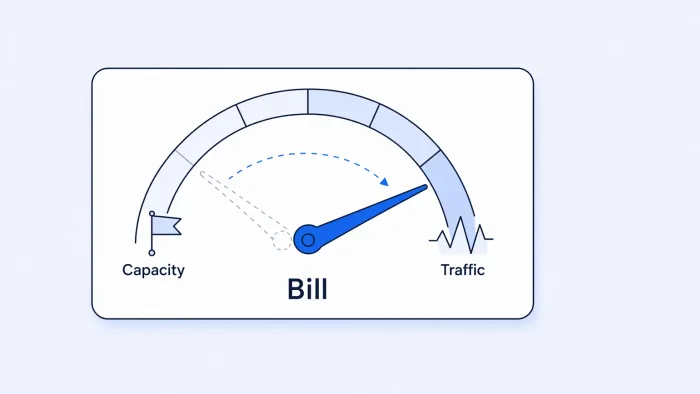
MuleSoft Migration? Check the Pricing Model First
Migrating off a legacy ESB fixes the licensing problem. It doesn't fix the pricing problem unless you check what the destination platform meters.
July 6, 2026
AI-Assisted iPaaS Migration Still Lands You in a Black Box
AI can now parse and rebuild your integration logic in minutes. That's a reason to keep it as text permanently, not just during a migration event.
July 6, 2026
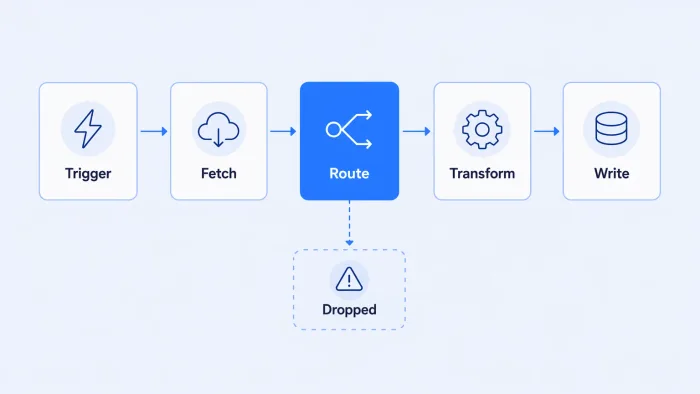
What Is Workflow Automation? A Business Leader's Guide
What is workflow automation, really? Beyond the glossy ROI decks—failure modes, production gaps, and what to demand from any platform before you commit.
July 5, 2026
Expose Your APIs to Agents Without Losing Control
You don't have to choose between saying no to agent access and building a locked-down layer from scratch. Here's how a governed MCP server lets you expose what you already built, on your own terms.
July 2, 2026
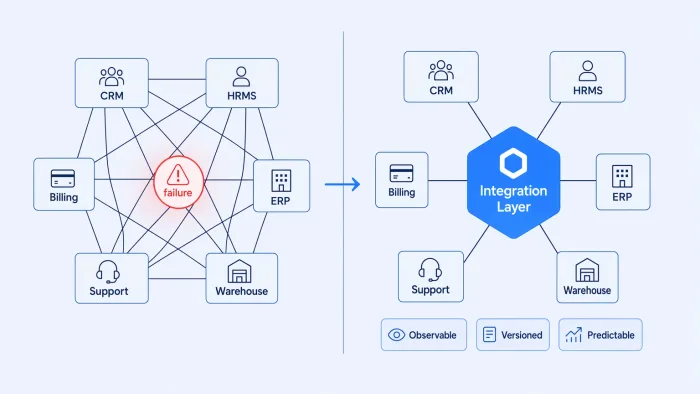
What Is System Integration? A Business Leader's Guide
System integration isn't the wiring — it's the discipline of keeping that wiring observable, versioned, and cost-predictable once it goes to production.
July 1, 2026
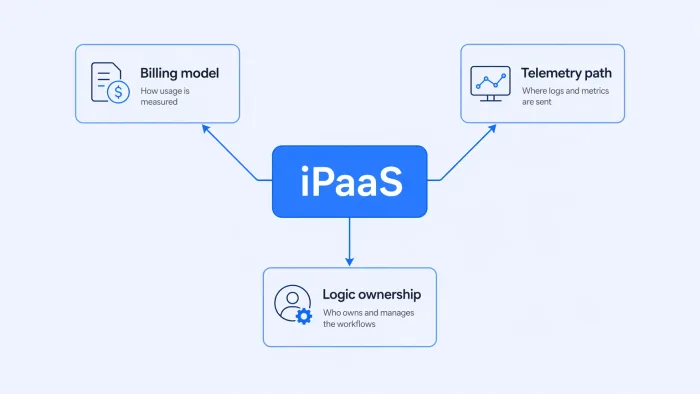
What Is iPaaS? The Production-Honest Guide
Every iPaaS explainer glosses over billing behavior, observability, and workflow ownership. Here's what 'what is iPaaS' actually means once it hits production.
June 28, 2026
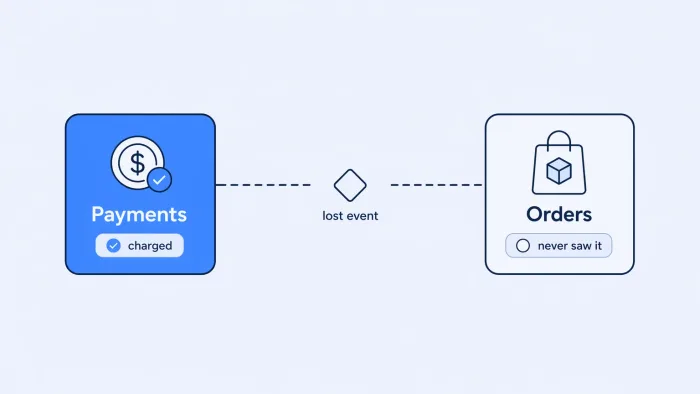
CDC in Microservices: When Your Systems Disagree
When microservices go out of sync, customers feel it first. How change data capture and the outbox pattern keep services agreeing on the same facts.
June 25, 2026
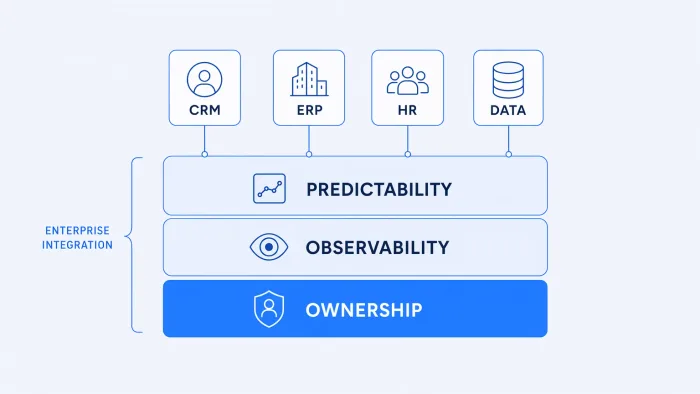
What Is Enterprise Integration? A Guide for IT Leaders and Architects
Enterprise integration isn't a technology category — it's an organizational discipline. This guide covers why integration debt accumulates and what stops it.
June 24, 2026
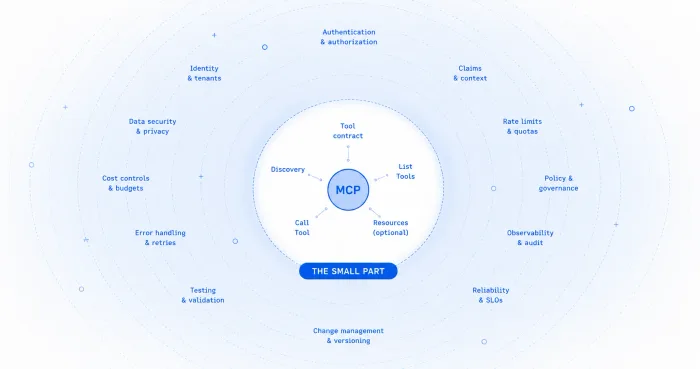
What Is MCP? The Model Context Protocol, and What It Leaves to You
A vendor-neutral explainer on the Model Context Protocol — what MCP actually is, the three roles, how tool discovery works, and the four things it deliberately leaves to you.
June 22, 2026
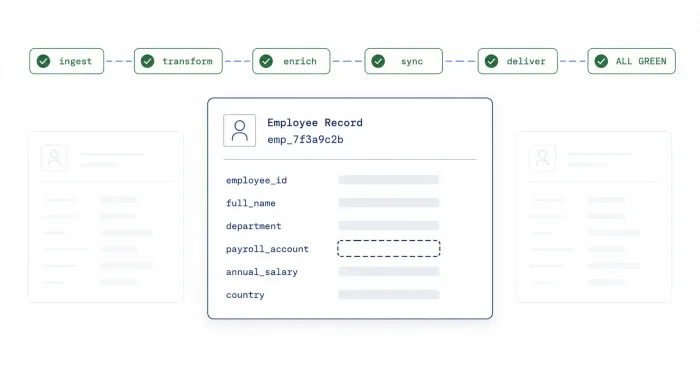
HR Data Observability: Tracing a Failed Payroll Sync
A payroll sync ran green and still shorted someone's check. Here's what HR data observability looks like when you can trace the failure to the exact dropped field.
June 22, 2026
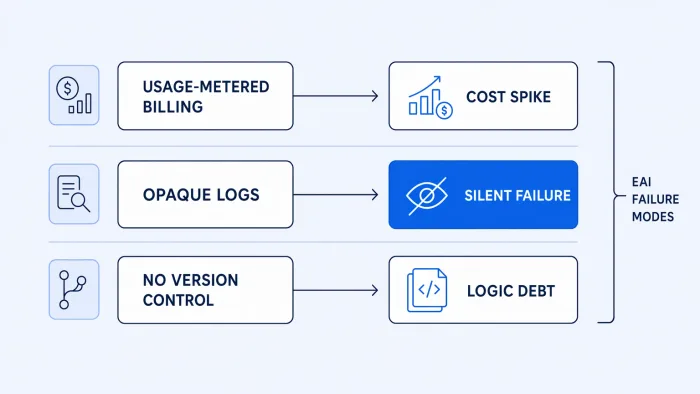
What Is Enterprise Application Integration? The Complete Guide
EAI isn't a solved problem — it's a production liability most platforms hide. Here's what actually breaks and how modern integration changes the math.
June 21, 2026
What Is Enterprise MCP? The Bar a Production Server Must Clear
Enterprise MCP isn't a different protocol — it's the same MCP held to production standards. The five bars a real server must clear: identity, multi-tenancy, governance, auditability, versioning.
June 18, 2026
Agents Don't Call APIs the Way Humans Do
Why MCP matters for platform teams — the shift from humans calling APIs to agents calling tools, and what it breaks in your integration layer.
June 18, 2026
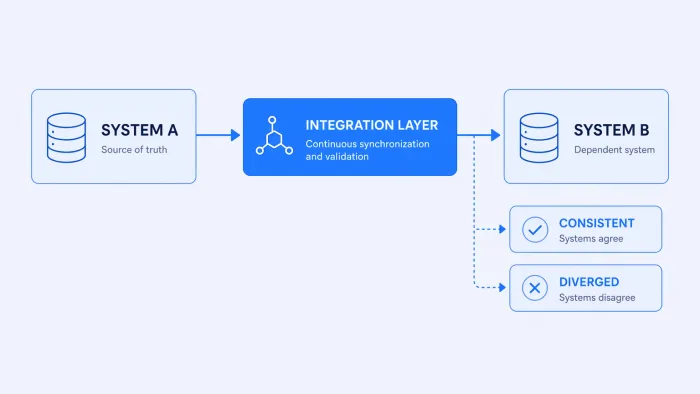
What Is Data Integration? The Part Vendors Don't Explain
Data integration is more than moving data between systems. Here's the production-reliability gap most iPaaS vendors gloss over — and what it costs you.
June 17, 2026
CDC and iPaaS: A Change Stream Isn't a Pipeline
A CDC change stream is raw events, not a pipeline. Here's the routing, idempotent load, reconciliation, and observability an iPaaS adds around it.
June 17, 2026
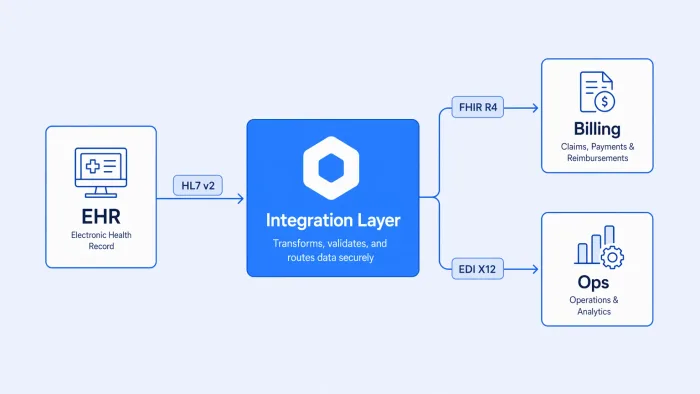
Healthcare Data Integration: EHR, Billing, and Ops
Healthcare data integration isn't a solved problem — it's a production gap. Here's what breaks between EHR, billing, and ops, and how to stop debugging it blind.
June 14, 2026
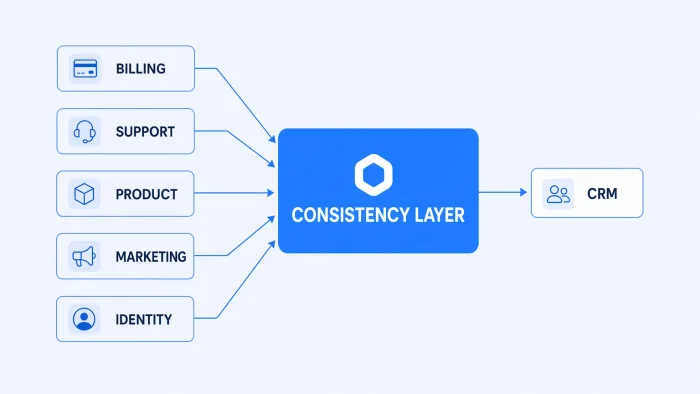
What Is Customer Data Integration and Why Your CRM Depends on It
Customer data integration isn't a sync job — it's the system of record for your customer. Here's why most CRM setups break, and what engineering teams miss.
June 10, 2026
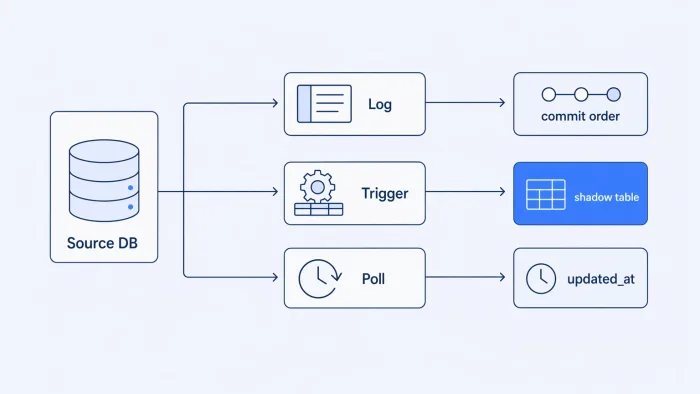
What Is Change Data Capture, and When Does It Break?
What is change data capture, the three ways it's implemented, where each one breaks, and the production concerns that decide whether it actually works.
June 8, 2026
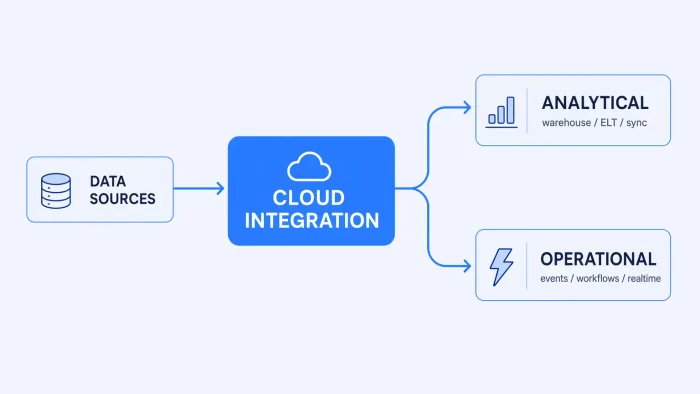
What Is Cloud Data Integration? A Non-Engineer's Guide
Cloud data integration is more than connectors and ETL pipelines. Here's the operational reality that warehouse-focused guides never cover — and what it costs.
June 6, 2026
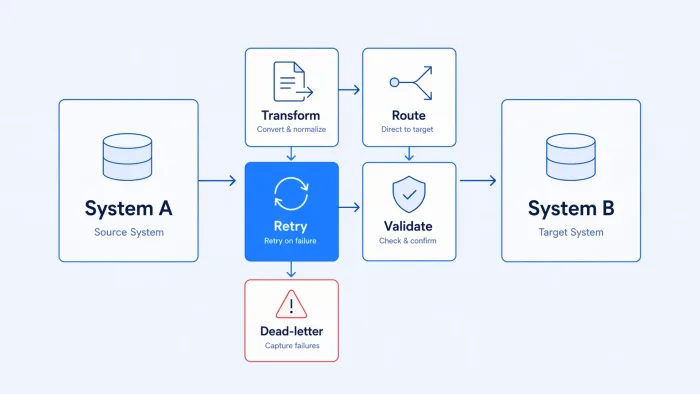
What Is API Integration? A Guide for Engineering Teams
API integration is where most production systems quietly break. Here's what it actually involves, where it fails, and how to own it like engineering.
June 3, 2026
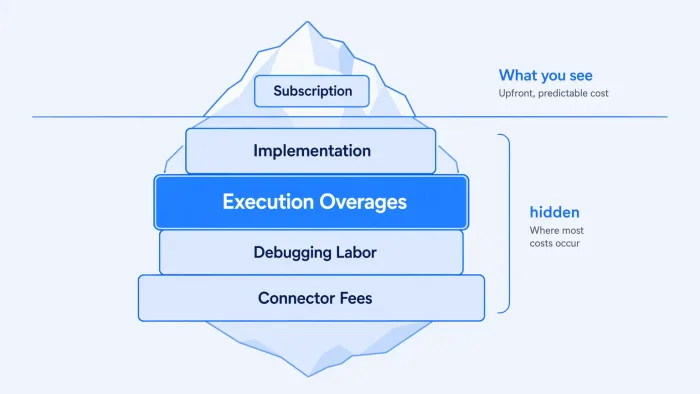
Hidden Costs of Data Integration Platform Implementation
The subscription price isn't the real cost. Implementation fees, execution billing, debugging labor, and observability gaps are what actually drain your budget.
May 30, 2026
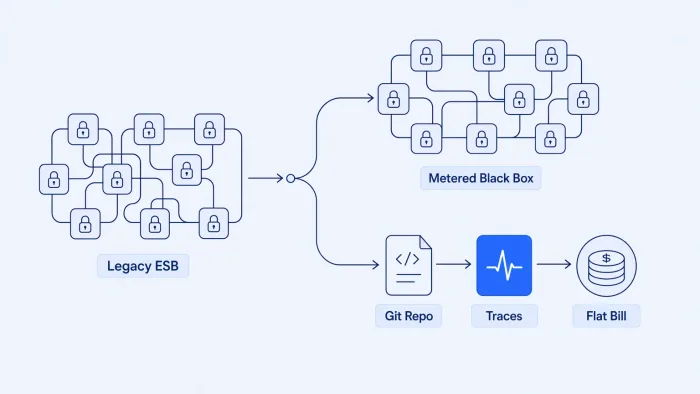
TIBCO BusinessWorks Migration: Fix the Root Cause, Not the Vendor
Migrating off TIBCO BusinessWorks? The assessment and cutover phases are the moment to fix what actually broke — not just move to a cheaper black box.
May 28, 2026
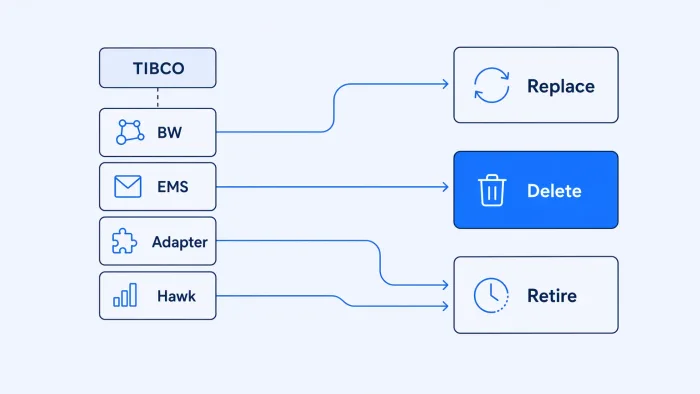
TIBCO BusinessWorks to iPaaS: The Component Map
What each TIBCO BusinessWorks component becomes on a modern iPaaS — EMS, adapters, XSLT, Hawk, and the deploy model. A migration map for engineers.
May 27, 2026
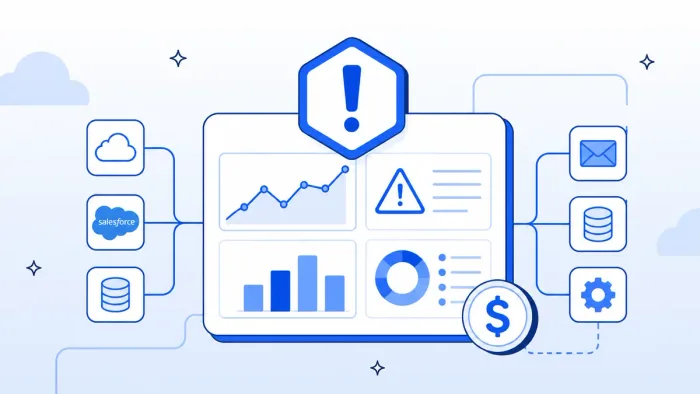
Most integration stacks are unobservable. That's the real bill.
Integration tools log; they don't trace. Here's what the lack of integration observability actually costs — and what it looks like to fix it.
May 25, 2026
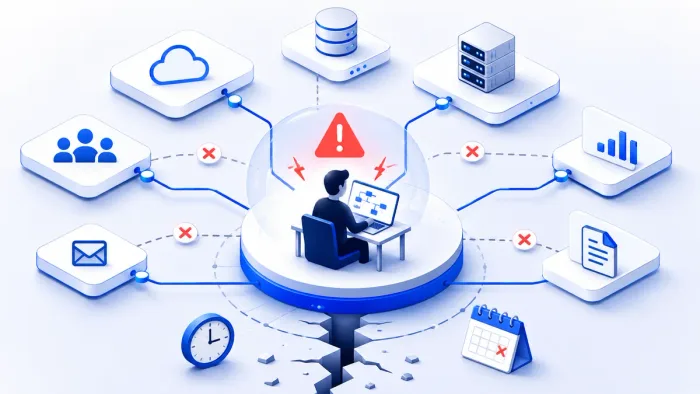
The integration bus factor problem
One engineer maintains every integration in your company. Then they take PTO. Here's how to audit your integration bus factor before it audits you.
May 25, 2026
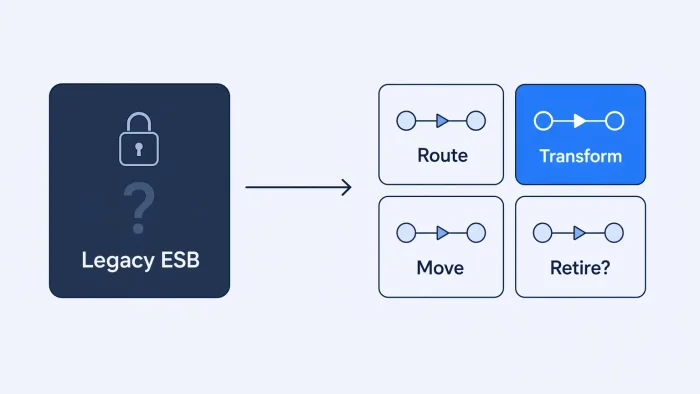
Migrating TIBCO BusinessWorks to a Modern iPaaS
The automated-rewrite pitch for ESB-to-cloud migration hides the real cost. Here's what to actually move off TIBCO BusinessWorks, and what to retire.
May 23, 2026
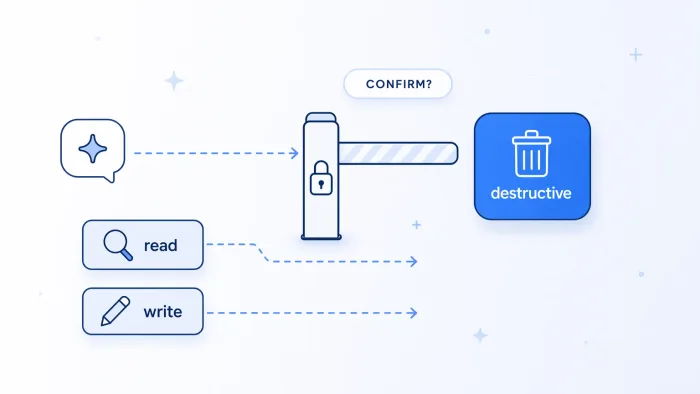
The MCP Setting That Decides If an Agent Can Delete Your Data
A model retries and loops. Risk Class is the per-tool read/write/destructive label that lets the client gate the dangerous call before it runs.
May 20, 2026
7 Benefits of iPaaS That Make Integration Teams More Productive
The real benefits of iPaaS aren't the ones on the vendor's homepage. Here's what actually compounds for integration teams running production workflows.
May 17, 2026
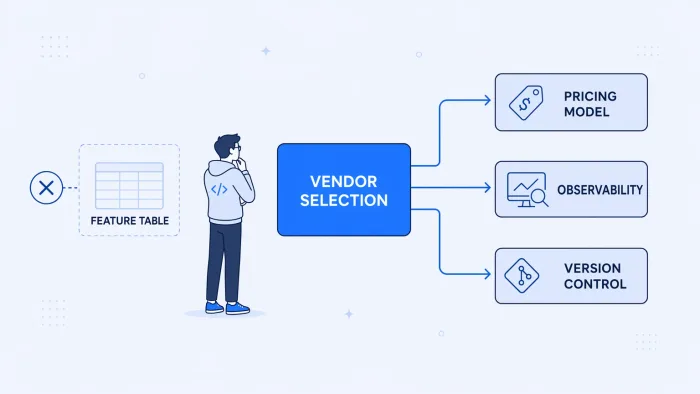
iPaaS vendors compared: how to choose the right platform
Most iPaaS vendor comparisons give you a feature table. The three things that actually predict production failure are pricing model behavior, observability portability, and source control reality.
May 16, 2026
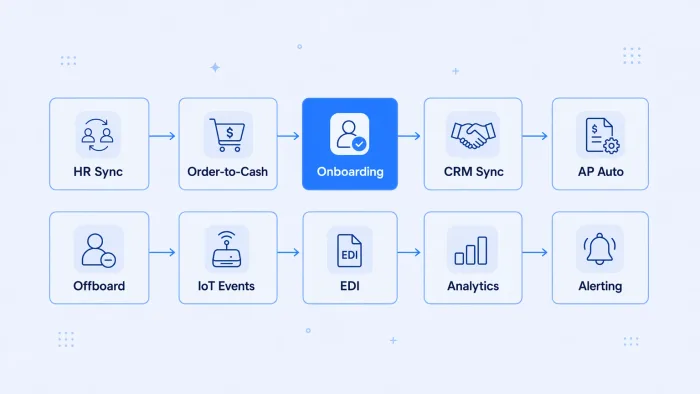
10 iPaaS Use Cases That Eliminate Manual Work
Ten iPaaS use cases where integration platforms eliminate manual work — with the failure modes vendors gloss over and what production-grade looks like.
May 12, 2026
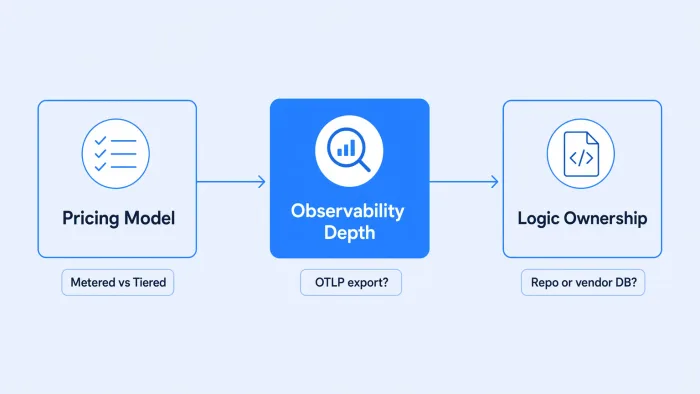
iPaaS Solutions Compared: Evaluate for Production Fit
Most iPaaS solutions evaluations optimize for connector counts and demo appeal. Here's what actually predicts production fit: pricing model, observability depth, and who holds the code.
May 9, 2026
API vs iPaaS: What's the Difference and When to Use Each
APIs and iPaaS both connect systems — but they solve different problems at different layers of the stack. Here's how to tell them apart, and when each breaks down.
May 6, 2026
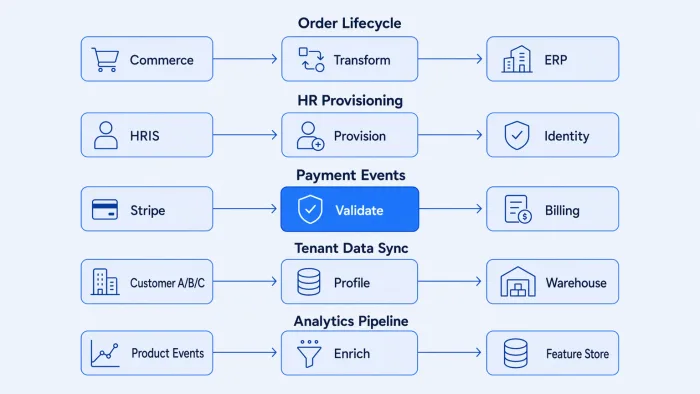
5 Real-World iPaaS Examples: What Actually Runs in Production
iPaaS examples in the wild look nothing like the vendor demos. Here are five patterns mid-market engineering teams actually run — and what breaks when the platform can't keep up.
May 5, 2026
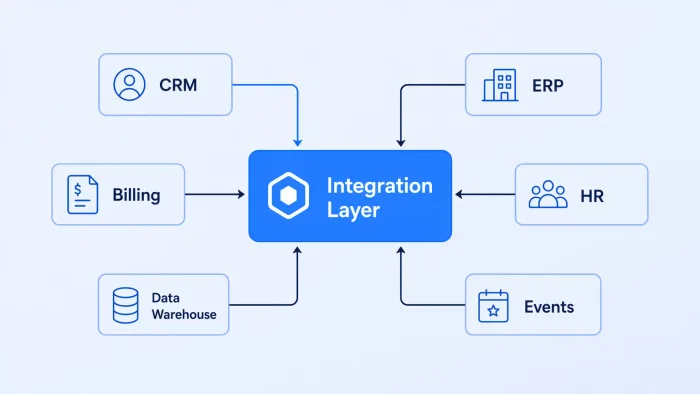
How to Manage Multiple API Integrations Without Slowing Down Engineering
Managing multiple API integrations at scale requires more than tooling—it needs ownership, observability, and cost predictability. Here's how to do it.
May 2, 2026
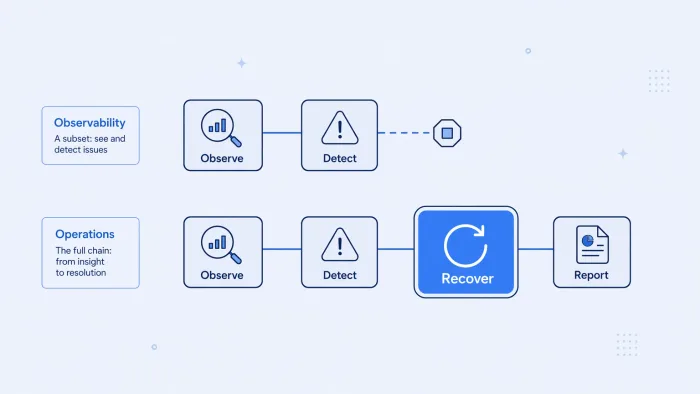
Integration Observability vs. Integration Operations
Observability tells you an integration failed. Operations is the layer that classifies it, recovers it, and reports on whether it's getting better.
April 30, 2026
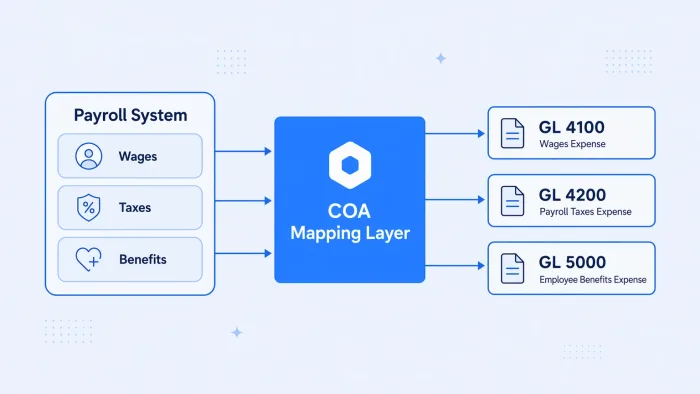
Payroll + Accounting Integration: Sync Your Financial Data Automatically
Payroll-accounting integration fails at the GL mapping layer, not the connection layer. Here's the engineering reality vendors never cover.
April 28, 2026
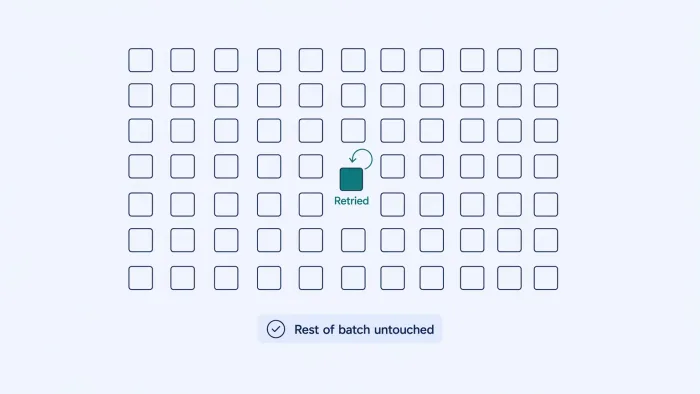
Failed Run or Failed Record? Why Record-Level Recovery Matters
One bad record in a 10,000-row batch shouldn't force a rerun of the other 9,999. Here's why record-level recovery changes the cost of a fallout.
April 26, 2026
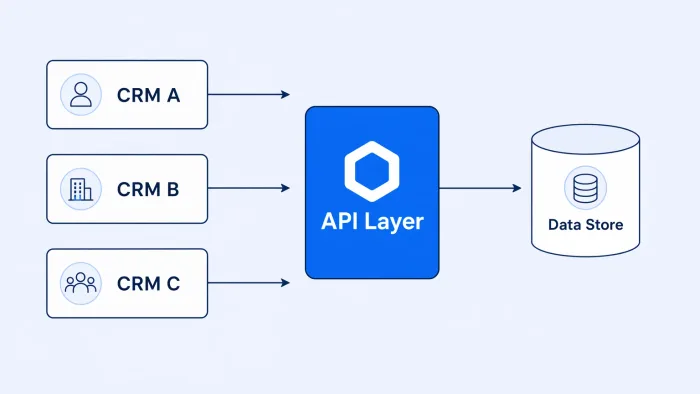
How to Integrate Multiple CRM Systems with a Single API Layer
Running Salesforce, HubSpot, and two others at once? Here's the engineering case for a single API layer between them — and what breaks without one.
April 25, 2026
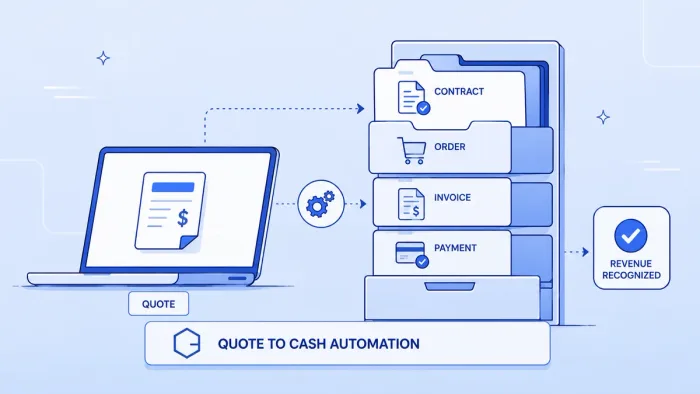
Quote to Cash Automation: How to Close the Revenue Execution Gap
Quote to cash automation connects your CPQ, contracts, ERP, and billing into a single workflow — so revenue moves faster and manual errors stop costing you deals.
April 24, 2026
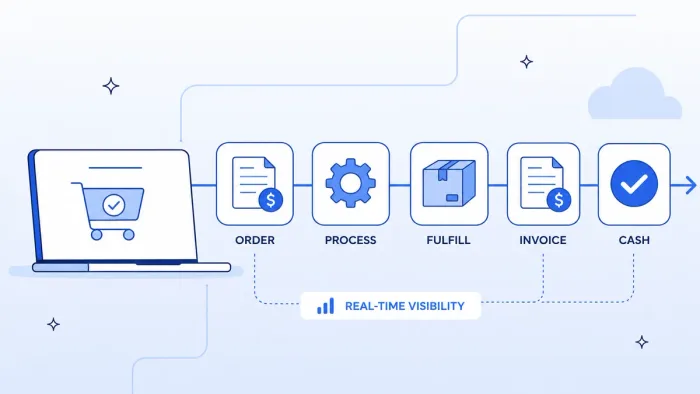
Order to Cash Automation: Step-by-Step Guide for Enterprise Teams
Order to cash automation connects order capture, fulfillment, invoicing, and payment collection into a single workflow — cutting O2C cycles from weeks to hours.
April 24, 2026
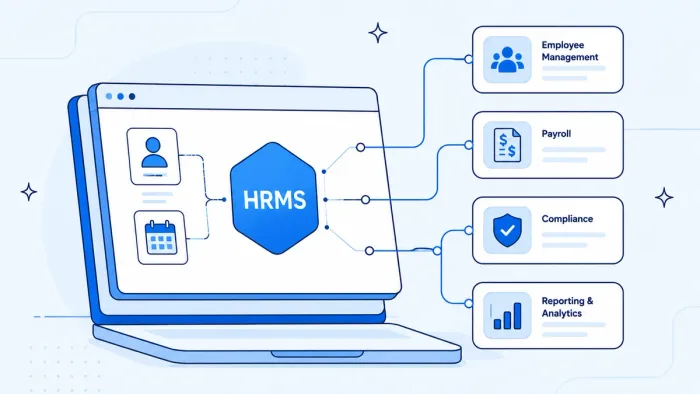
HRMS Integration: Connect HR Systems Without Code
HRMS integration connects your HR management system to payroll, identity, communication, and ERP tools so employee data flows automatically across all systems.
April 24, 2026
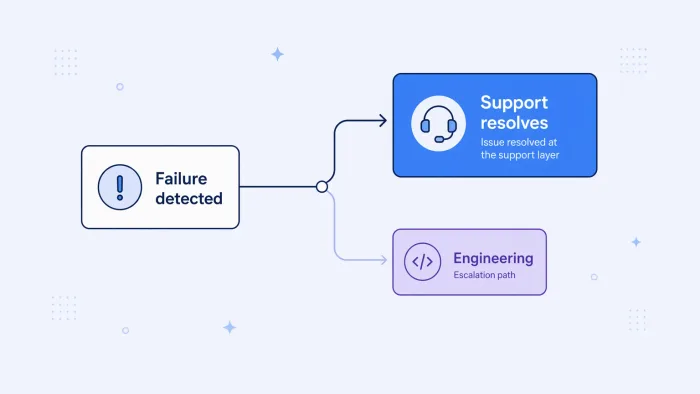
Why Support Teams Shouldn't Need a Developer for Every Failure
Most integration failures don't require engineering judgment — they require someone with the right permissions and a clear explanation of what broke.
April 21, 2026
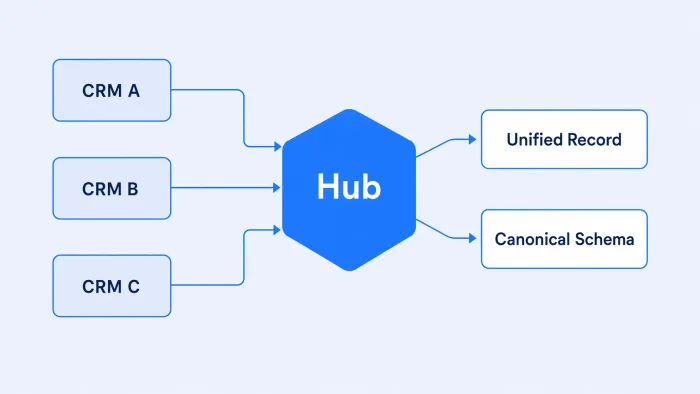
How to Integrate Multiple CRM Systems Into One Application
Merging multiple CRMs isn't a data problem—it's an ops problem. Here's how to integrate multiple CRM systems without creating a new class of invisible failures.
April 21, 2026
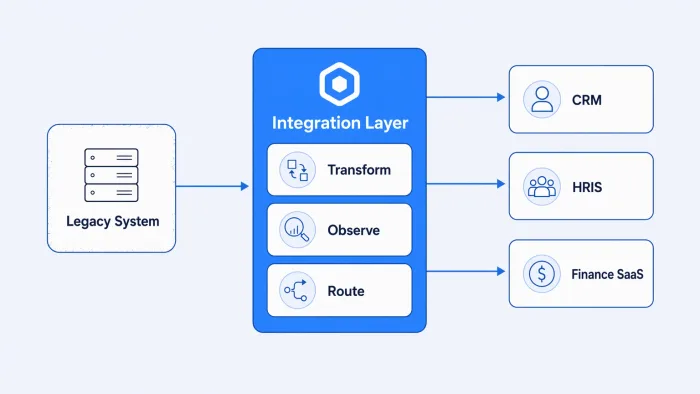
How to Integrate Legacy Systems With Modern SaaS Platforms
Most legacy integration projects fail at the layer between systems, not the systems themselves. Here's how to do it without a rewrite—and without creating new debt.
April 17, 2026
Automatic Retries vs. Blind Retries in Integration Recovery
A retry policy that doesn't know why something failed isn't automating recovery — it's automating guesswork. Here's what a safe one actually checks.
April 16, 2026
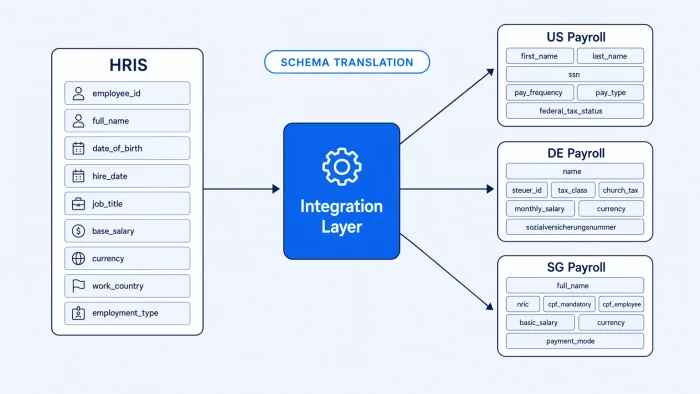
How to Integrate Global Payroll with HR Systems
Integrating global payroll with HRIS isn't a sync problem — it's a schema, sequencing, and compliance problem. Here's the engineering reality.
April 14, 2026
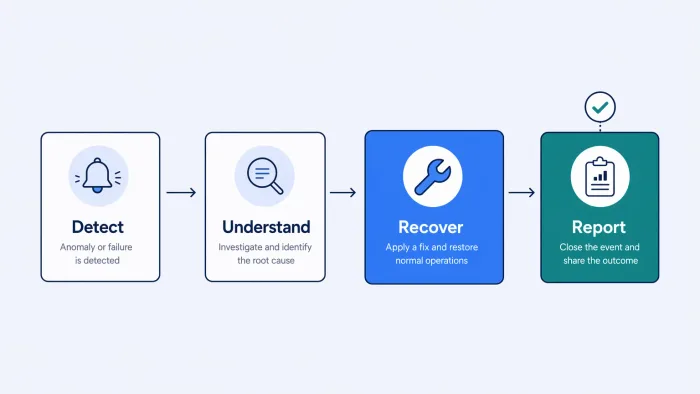
What Happens After an Integration Fails? The Full Lifecycle
Detecting a fallout is one step in a longer chain. Here's what has to happen between an alert firing and a failure actually closing out.
April 11, 2026
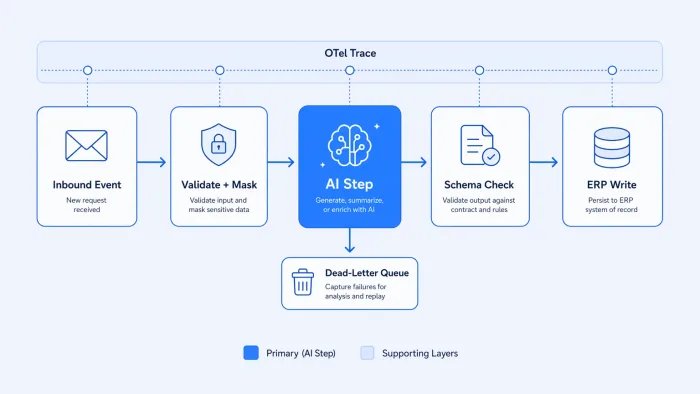
How to Integrate Generative AI into Enterprise Workflows
Most GenAI integration advice skips the hard part: routing, retries, governance, and cost when an AI step goes sideways in production. Here's what actually matters.
April 10, 2026
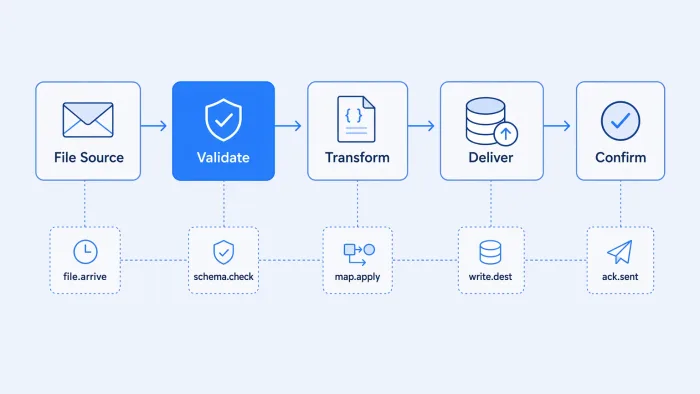
How to Automate File Transfer Between Business Systems
File transfer automation fails at the integration layer, not the transport layer. Here's how to wire it up as an observable pipeline instead of a scheduled script.
April 7, 2026
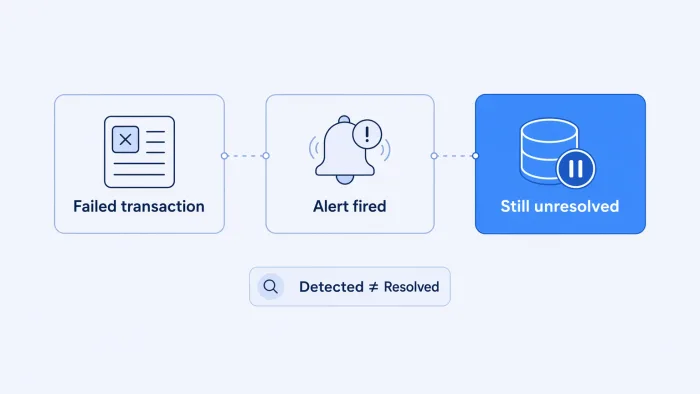
Integration Monitoring Tells You It Broke. It Doesn't Fix It.
Observability tells you an integration failed. It doesn't retry the record, classify the error, or close the loop. That's what Koodisi Engage does.
April 6, 2026
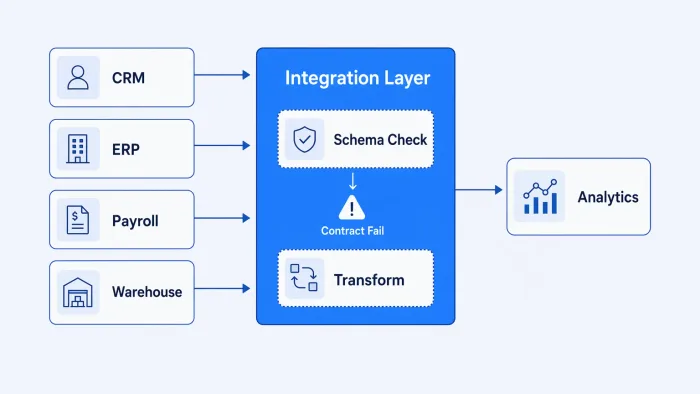
How to Integrate Data from Multiple Sources Without Custom Code
The hard part of multi-source data integration isn't connecting APIs — it's schema drift, silent failures, and four-tool stacks with no shared observability.
April 3, 2026
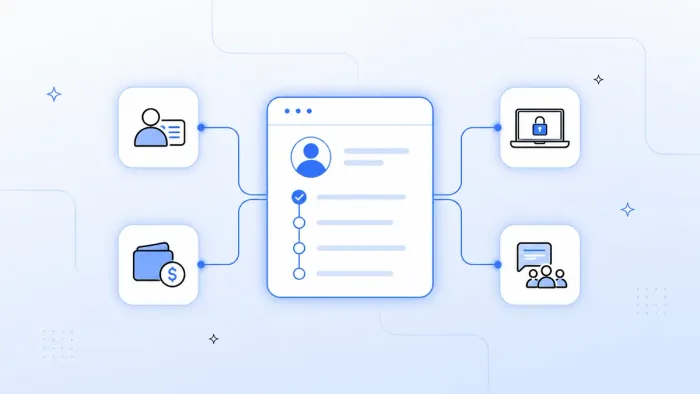
How to Automate Employee Onboarding: A Complete Enterprise Guide
A step-by-step guide to automating employee onboarding across HRMS, IT provisioning, payroll, and communication tools using Koodisi.
April 1, 2026
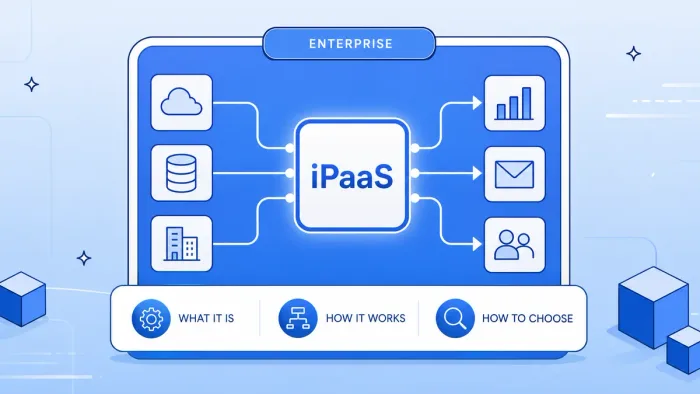
Enterprise iPaaS Guide 2026: What It Is, How It Works, and How to Choose
Everything you need to know about enterprise iPaaS — what it does, how it differs from Zapier and n8n, and how to evaluate platforms for your organization.
April 1, 2026
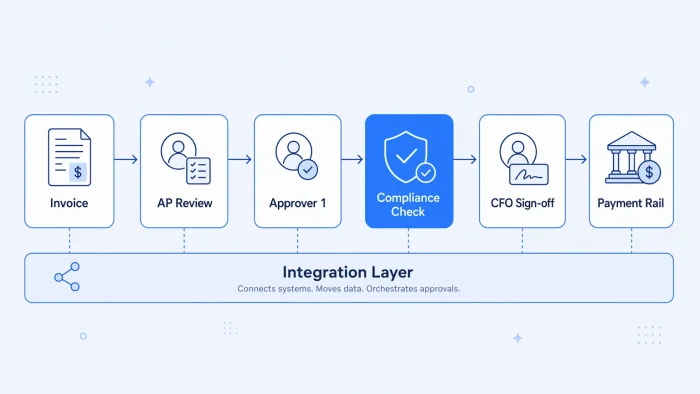
How to Automate Multi-Approval Workflows for Payments
Multi-step payment approvals fail in production not because the logic is complex, but because the integration layer underneath them isn't built to hold.
March 31, 2026
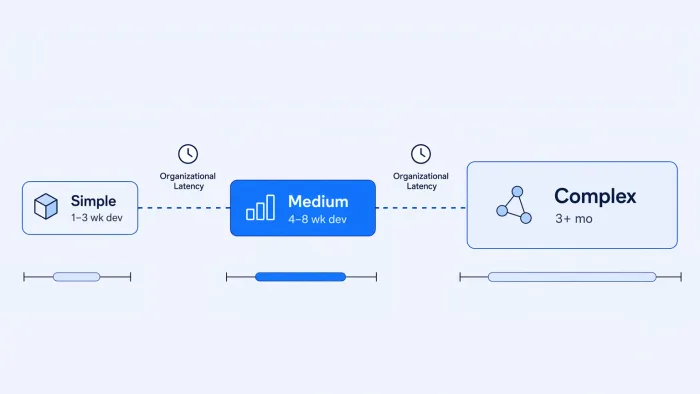
How Long Does an API Integration Take? Timelines by Project Type
Real API integration timelines by project type — why estimates miss, what actually drains the calendar, and how to scope the work accurately.
March 27, 2026
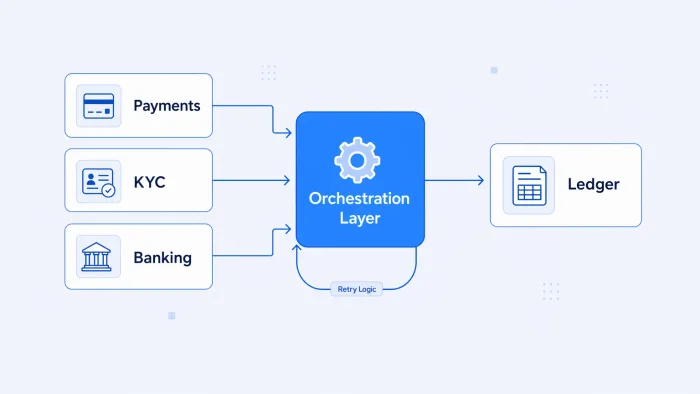
How Financial API Integration Works in Production
Financial API integration breaks at the orchestration layer, not the connection. Here's what engineering teams get wrong and how to fix it.
March 23, 2026
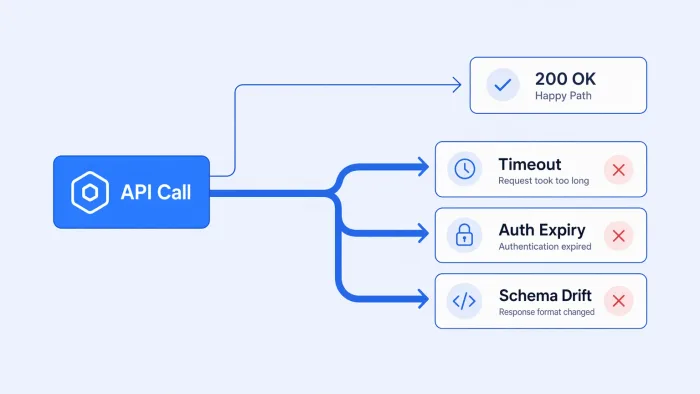
How Does API Integration Work? The Production Reality
API integration isn't just REST calls. Here's what actually breaks in production — auth, retries, schema drift, observability — and how to build a model that holds.
March 20, 2026
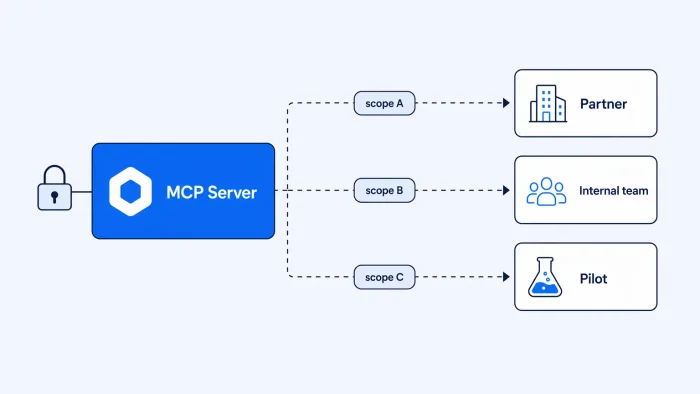
Expose your APIs to agents without losing control
How to let AI agents call your APIs safely — without handing over the keys. Governed access, traceable calls, no per-execution billing.
March 16, 2026
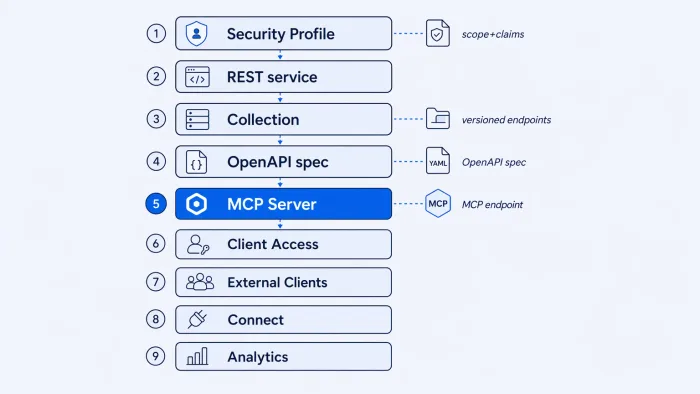
How to expose your API as a governed MCP server
Full lifecycle walkthrough — Security Profile, REST service binding, Collections, OpenAPI spec, MCP server, Client Access, Connect, and Analytics in Koodisi.
March 13, 2026
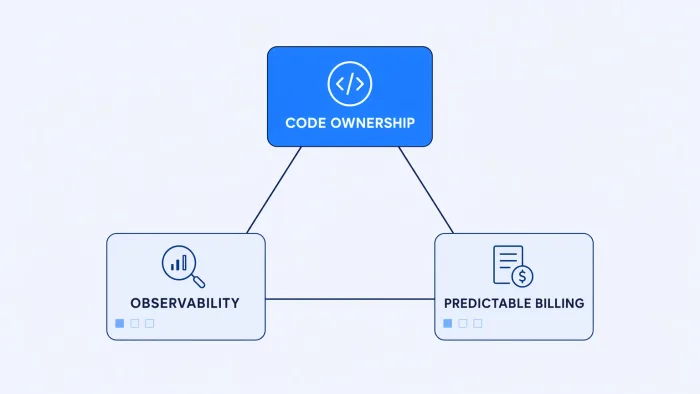
Enterprise Workflow Automation: What the Guides Don't Tell You
Most enterprise workflow automation guides cover features and ROI. This one covers the production gaps engineering teams actually hit: observability, bill behavior, and code ownership.
March 9, 2026
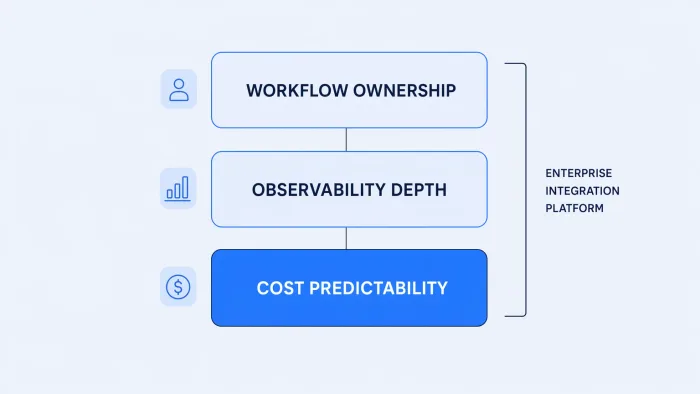
Enterprise Integration Platform: What It Is and Why You Need One
Every enterprise integration platform pitch sounds identical. What actually separates enterprise-grade from the rest happens in billing, observability, and ownership.
March 6, 2026
Build Your First Secured MCP Server in Koodisi
A one-sitting quickstart: take one existing REST service and get an agent calling it as a secured MCP tool, with scoped identity and a trace on every call.
March 2, 2026
Ship integrations faster. Operate them without chaos.
Less time on auth, retries, and deployment scripts. More time on the integrations your customers are asking for.
Contact Sales